Youth hockey continues to grow but not exactly the way it always has. There's a new kid in town and popularity is growing.
It's no surprise to see old and antiquated
single sheet rinks are closing down while new multi-sheet complexes replace them. In turn, paving the way for existing organizations and associations to expand and new ones to begin. Youth ice hockey has grown by leaps and bounds since the early 2000s with new rinks popping up all over the United States. Youth ice hockey programs at all levels are enveloping the midwest and the eastern United States. An
expensive sport which offers varying degrees of competition, from house league to light travel, tier ll to tier 1. All are programs with designations to delineate players new to the game, to accomodating the higher and expert level competitors. This framework has been in place for decades providing families a choice from startup to high-level travel. In between, there are endless options for clinics, personal instruction, and continued training.
One training option has flown under the radar and is beginning to take root as an exceptional supplement to skill development; inline hockey.
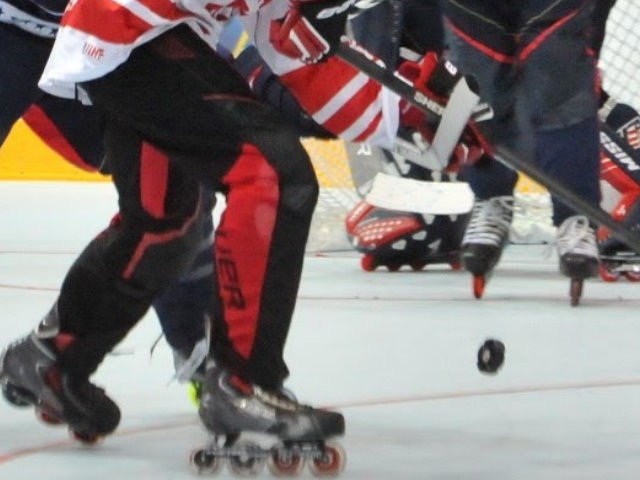
Trending in an upward direction, youth inline hockey is quickly becoming very popular. The similarities are close to ice hockey, inline also has varying levels of competition however, advanced players at younger ages are allowed to participate with the older class if they meet certain skill requirements. Youth inline rules are slightly modified to keep the game moving, and there is no body contact. More importantly, the cost to play is 1/4, (or less) of what costs to play an entire season on the ice and the travel commitment is far less than that of ice hockey. Who knows, will rink owners begin adding inline sport court rinks to accommodate the need as the sport continues to grow?


 Topic: The future of youth ice hockey and the burgeoning inline hockey race (Read 10379 times)
